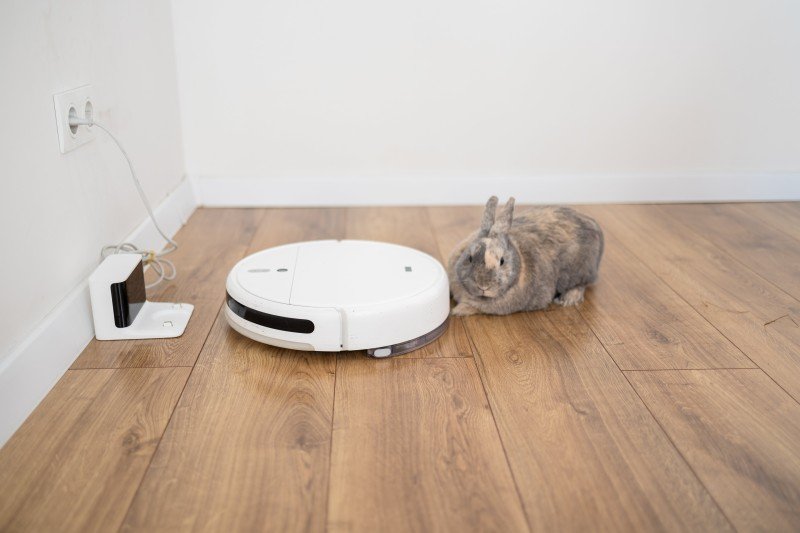
10 Meetups Around Robotic Vacuum You Should Attend
The Rise of the Robotic Vacuum Cleaner: Revolutionizing Home Cleaning
In the world of family home appliances, robotic vacuum cleaners have actually become one of the most significant developments recently. These autonomous devices provide benefit and effectiveness, allowing property owners to preserve cleaner home without the drudgery of manual vacuuming. This post explores the evolution, functionality, advantages, and considerations regarding robotic vacuum cleaners, in addition to supplying insights through data tables and often asked questions.
A Brief History of Robotic Vacuum Cleaners
The journey of robotic vacuum cleaners began in the late 20th century, with early models stopping working to make substantial strides in homes. However, developments in innovation caused the introduction of more refined designs in the early 2000s. Business such as iRobot and Neato played an essential role in popularizing these clever home gadgets.
Development Timeline of Robotic Vacuum Cleaners
Year
Turning point
1996
Launch of the very first robotic vacuum, the ELECTROLUX TRINITY
2002
iRobot presents the Roomba, an extensively acknowledged design
2012
Introduction of models with advanced mapping abilities
2020
Incorporation of expert system for improved navigation
2023
Designs with integrated clever home connection and app control
How Robotic Vacuum Cleaners Work
Robotic vacuum cleaners make use of a combination of sensors, mapping technology, and expert system to navigate and clean various surfaces efficiently. Here's a streamlined summary of their core performance:
Sensors: Equipped with infrared or ultrasonic sensors, these gadgets can find obstacles, cliffs, and dirt, allowing them to navigate through rooms without crashing into furnishings or toppling down stairs.
Navigation: Most modern-day robotic vacuum cleaners include clever mapping innovations, permitting them to map out the home design and enhance cleaning courses.
Cleaning Mechanism: Using brushes and suction power, robotic vacuums collect dirt, dust, and debris from various floor types, consisting of carpets and wood.
Charging and Cleaning Schedules: After finishing a cleaning session or when their battery runs low, these robots automatically go back to their charging dock. Users can set cleaning schedules through mobile phone apps, helping maintain a neat home effortlessly.
Benefits of Robotic Vacuum Cleaners
Robotic vacuum provide many benefits over standard vacuuming approaches. Here are some of the essential advantages:
- Time-Saving: Automated cleaning implies house owners can allocate their time to other activities.
- Convenience: Scheduling cleaning sessions allows for a clean home without manual intervention.
- Thorough Cleaning: Many robotic designs include specialized brushes to take on animal hair and supply deep cleaning on carpets and carpets.
- Smart Home Integration: Many units work with wise home systems, offering voice control and remote management.
Popular Features in Robotic Vacuum Cleaners
Function
Description
Mapping Technology
Develops a digital map of the cleaning area
Mobile App Control
Offers users the capability to start/stop or schedule cleaning sessions remotely
Self-Cleaning
Some designs have docking stations that can self-empty dust bins
Advanced Sensors
Spots dirt more effectively and browses better
Voice Control
Suitable with virtual assistants like Alexa and Google Assistant
Factors to consider Before Purchasing a Robotic Vacuum Cleaner
While robotic vacuum cleaners offer numerous benefits, prospective purchasers should think about a couple of factors before buying. Here are some indicate keep in mind:
Key Factors to Evaluate
Floor Type: Certain designs perform better on carpets while others stand out on tough floors. Purchasers must pick flexible vacuums if they have mixed flooring.
Battery Life: Longer battery life permits for extended cleaning sessions. Try to find models that can cover large areas without regular recharging.
Dustbin Capacity: A larger dustbin reduces the frequency of emptying, making cleaning less labor-intensive.
Sound Level: Some models run silently, which is ideal for homes with babies or delicate pets.
Upkeep: Users need to likewise evaluate the ease of upkeep, particularly for filters and brushes.
Potential Drawbacks
- Cost: Robotic vacuum can be significantly more pricey than standard vacuums.
- Effectiveness: While they efficiently preserve cleanliness, they may not always match the deep cleaning efficacy of manual vacuums.
- Challenge Navigation: Some models might battle with specific types of furnishings or chaotic locations, possibly resulting in missed areas.
Frequently Asked Questions About Robotic Vacuum Cleaners
Q1: How typically should I run my robotic vacuum cleaner?
A1: It generally depends on your household. For homes with pets or high foot traffic, running it daily is beneficial. In less active homes, you might discover every other day suffices.
Q2: Can robotic vacuum cleaners work on carpets?
A2: Most robotic vacuums can clean up carpets; nevertheless, features such as suction power and brush style can considerably affect their efficiency on various carpet types.
Q3: Are robotic vacuum cleaners good for family pet hair?
A3: Yes, lots of designs are particularly designed to pick up pet hair and include specialized brushes to prevent tangling.
Q4: What takes place when the vacuum runs out of battery?
A4: Most robotic vacuums automatically return to their charging dock when their battery is low, ensuring they are prepared for the next cleaning session.
Q5: Can I manage my robotic vacuum with my smartphone?
A5: Yes, lots of robotic vacuum come geared up with mobile apps that enable you to schedule cleanings, screen progress, and get notices.
Robotic vacuum cleaners represent a substantial improvement in home-cleaning innovation, combining convenience with effectiveness to essentially change how homes keep tidiness. As best robot vacuum and mop UK continue to emerge, these gadgets are ending up being progressively capable, using users not only time-saving solutions but likewise boosted cleaning experiences. As the market continues to grow, potential purchasers are motivated to weigh the functions, benefits, and factors to consider carefully to find the very best model customized to their unique requirements. Whether it's a busy household, a pet fan, or somebody looking for automation in their cleaning regimen, there's most likely a robotic vacuum that fits the costs.